


Greek Easter is a deeply spiritual and communal celebration, rooted in centuries-old religious traditions. Across the islands, villages and towns follow rituals that have been passed down for generations. From church services and candlelit processions to symbolic foods and family gatherings, Easter provides a close look into the core of Greek culture.
1.Corfu
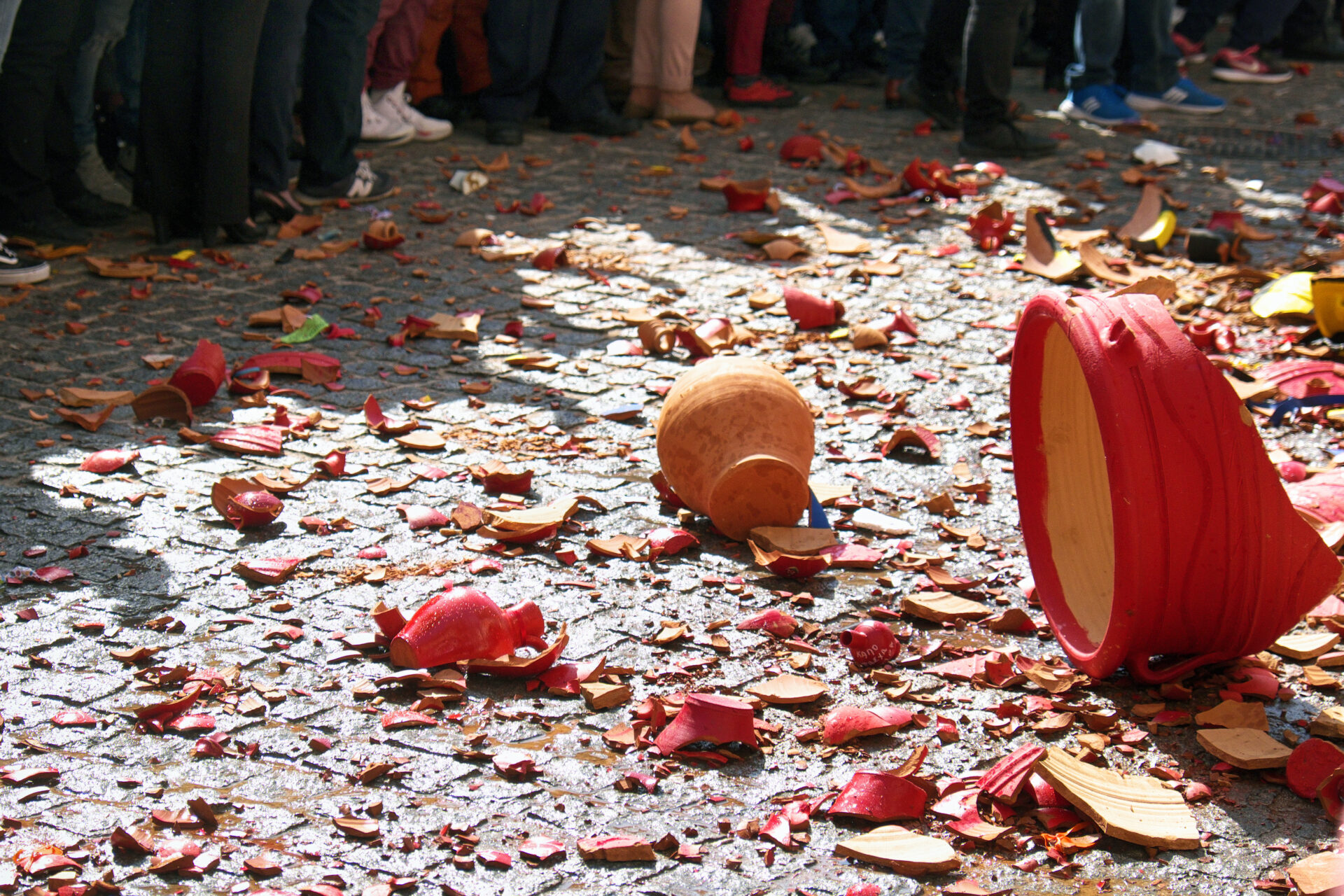
Corfu’s Holy Saturday (11 a.m.) features the botides tradition, where locals throw large clay pots from balconies to symbolize the resurrection and renewal. This is followed by candlelit church services, the smashing of pots to ward off evil, and traditional feasting on lamb, tsoureki (sweet bread), and red-dyed eggs.
2.Tinos
Pilgrims flock to Tinos to honor the Panagia Evangelistria (Our Lady of Tinos), particularly for the August 15th Dormition, often crawling on hands and knees to the church to pray. During Greek Orthodox Easter, families gather for intimate, traditional feasts featuring roasted lamb, red-dyed eggs, and tsoureki (braided bread).
3.Patmos
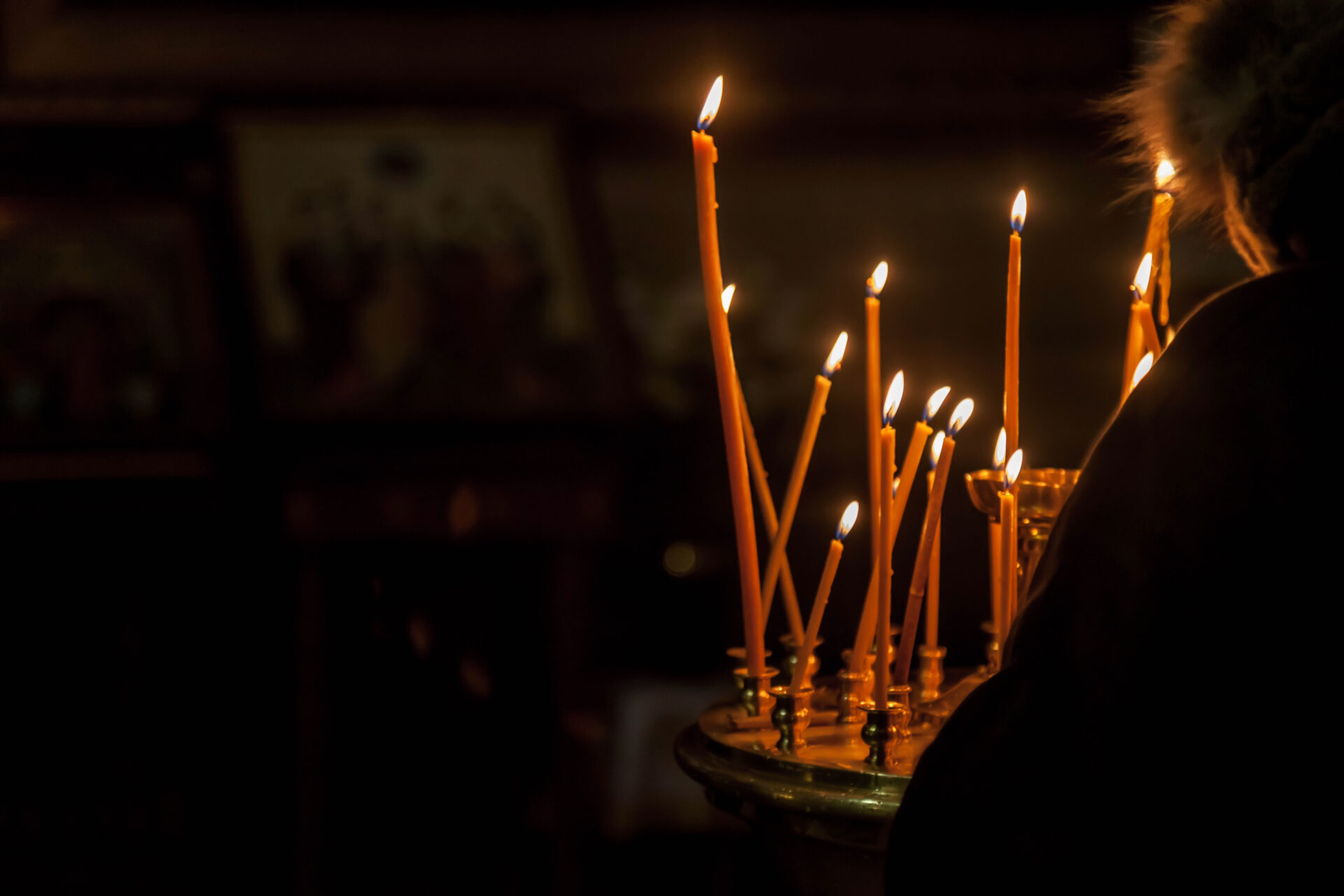
Patmos is renowned for its intense, traditional Greek Orthodox Easter celebrations, featuring midnight Resurrection services where candlelight illuminates the narrow alleys of Chora. A key tradition includes gathering for a feast featuring slow-roasted lamb, often cooked in wood-fired or clay ovens, accompanied by local cheeses.
4.Chios
Easter in Chios is marked by a blend of solemn religious traditions and spectacular, chaotic local customs. The most famous, Rouketopolemos (the Rocket War), occurs in the village of Vrontados on Holy Saturday night, while the burning of a Judas effigy is a common tradition in the mastic villages.
5.Naxos
Easter on Naxos is a deeply religious and festive time, characterized by time-honored customs that blend solemn, candlelit processions in picturesque villages with joyous, family-focused celebrations. The island’s deep faith is evident in the Holy Week services, while the atmosphere on Easter Sunday is one of celebration, feasting, and community.
6.Syros
Syros is unique as a Greek island where Catholic and Orthodox communities celebrate Easter together, often on the same day. Holy Week features joint processions in Ermoupoli, with Orthodox services at Agios Nikolaos and Catholic masses at San-Tzortzi, culminating in a shared celebration with fireworks at midnight. Families prepare traditional tsoureki (sweet bread) and koulourakia (cookies) during the week, culminating in a Sunday feast of roasted lamb.
7.Skiathos
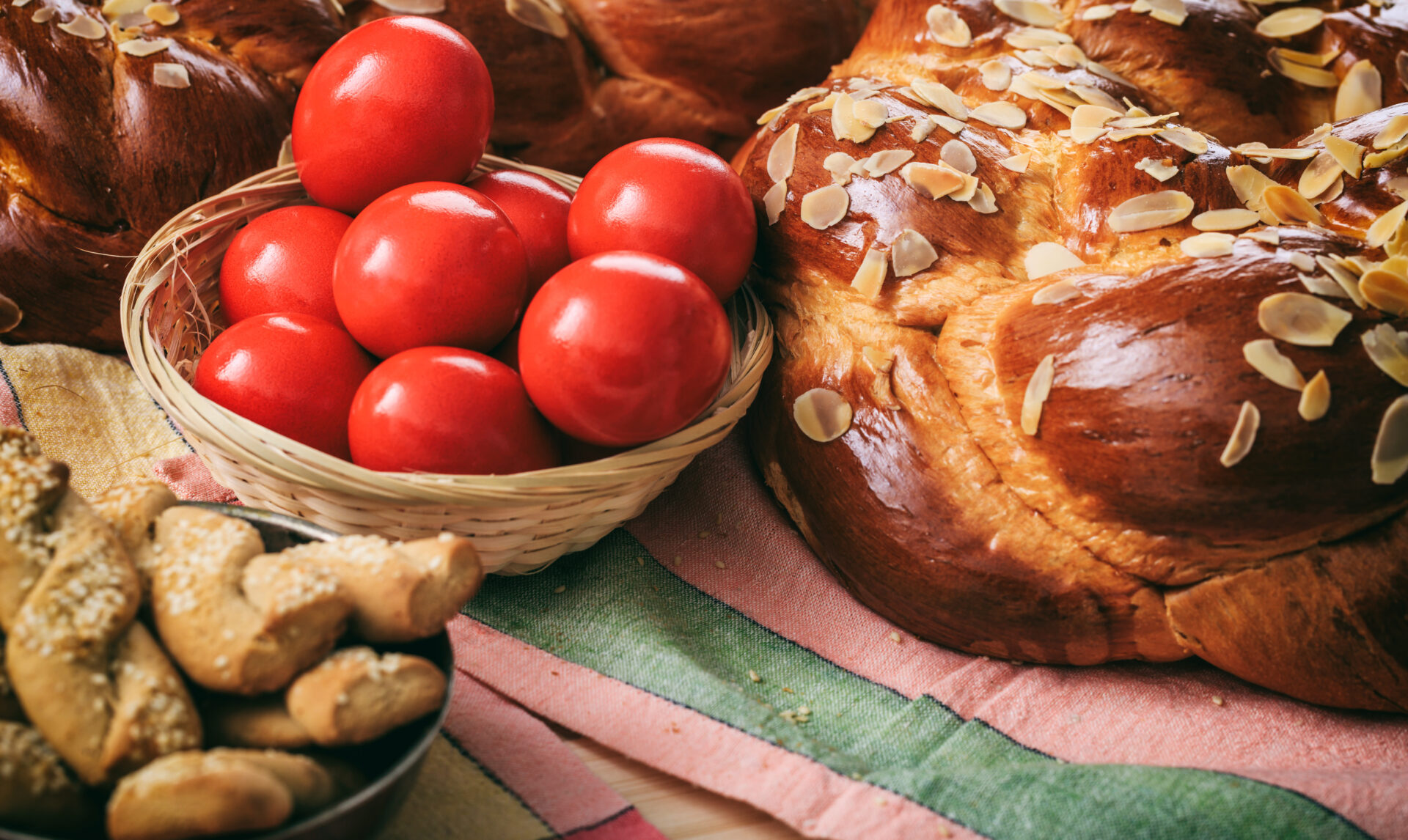
Easter in Skiathos is a profoundly spiritual, mystical experience that adheres to Mount Athos traditions, featuring a unique, dawn Epitaphios procession on Holy Saturday. Villages gather for candlelight services, while the island celebrates with traditional, lamb spit-roasts, red-dyed eggs, and, tsoureki (sweet bread).
8.Kea (Tzia)
Kea (Tzia) offers a deeply traditional Greek Orthodox Easter, featuring solemn candlelit processions of the Epitaphios in Ioulida, Korissia, and Vourkari on Good Friday. The week features vibrant, aromatic, and locally-focused culinary traditions, culminating in Saturday night “Christos Anesti” celebrations with fireworks and the burning of Judas on Sunday.
9.Rhodes
Easter in Rhodes is a profound celebration of Orthodox faith and tradition, featuring solemn candlelit processions through the medieval Old Town. Villagers focus on family, preparing traditional roasted lamb on the spit and baking tsoureki (sweet bread) for the festive Sunday feast, following the Epitaphios procession.
10.Zakynthos
Easter in Zakynthos is a deeply rooted family celebration, highlighted by the solemnity of candlelit church services, particularly during Holy Week. The culinary centerpiece is the traditional lamb roasted on the spit (ovelias), accompanied by red-dyed eggs symbolizing the blood of Christ and sweet, braided tsoureki bread.
Experiencing Greek Easter
These islands showcase centuries-old rituals, private church services, and traditional cuisine. Each village keeps its own customs, revealing the authentic spirit of Greek Easter.